

If you are researching the best service dog breeds for Down syndrome for your child, you have probably noticed that most lists point straight to the same two or three breeds. There is a reason for that, and we will walk through it here. Habibi Bears is a purpose-led breeder built around the Habibi Method Philosophy, and we do not just breed dogs; we breed what we call Familiars, raised from day one with your family’s needs in mind. Breed is a meaningful starting point for the best dogs for a child with Down syndrome, but it is only part of the picture. In our last post, we covered what these dogs actually do day to day. This one is about how to choose the right dog in the first place, and why the bond that makes a Familiar so effective begins long before that puppy ever comes home.
Which Breeds Work Best?
Golden Retrievers, Labrador Retrievers, and certain poodle-mix lines consistently rank among the best service dog breeds for Down syndrome because they were bred for cooperative, people-focused work rather than independent decision-making. That original purpose still shapes their behavior today.
A dog bred for retrieving alongside a handler tends to stay tuned in to the people around it. That same instinct shows up later as a service dog watching for Sacred Signals, the small shifts in breathing, posture, or vocal tone that signal a child is becoming overwhelmed. Herding breeds and guardian breeds can also succeed, but they usually need more structured training before they settle into steady, predictable behavior.
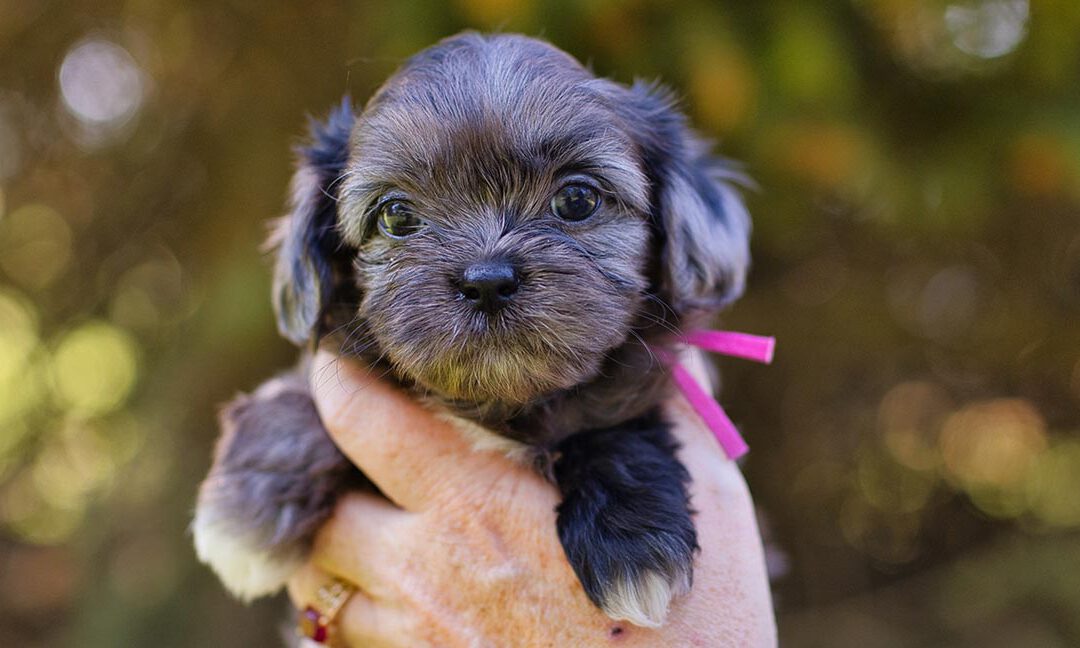
We do not treat breed as a shortcut, though. Two Golden Retriever littermates can have noticeably different temperaments, which is why every Familiar in our program goes through individual evaluation during the sacred imprint window before we consider it one of the best service dog breeds for Down syndrome for a specific family.
This is also where our ADA self-training approach begins to matter. Under ADA guidelines, families have the legal right to train their own psychiatric support dog, and we guide Habibi families through exactly this process from the very start, rather than asking you to outsource the most important developmental window to an outside trainer.
What Temperament Traits Matter?
Temperament matters more than breed alone when identifying the best service dog breeds for Down syndrome, because traits like patience, low startle response, and steady affection determine whether a dog can actually do this work. Here is what we look for during the imprint window, the early developmental period when a puppy’s core temperament begins to take shape.
Low Reactivity
A dog that stays calm around sudden noise, movement, or physical contact is far more useful than one that is simply friendly. Children with Down syndrome may move unpredictably, vocalize loudly, or need close physical contact during deep pressure therapy, and a reactive dog cannot provide that consistently.
Natural Patience
Some puppies are patient from birth. They tolerate being climbed on, hugged too tightly, or interrupted mid-nap without pulling away. This trait cannot really be trained in from scratch, so we prioritize it early.
Steady Affection Over Intense Excitement
A dog that offers calm, sustained closeness is more valuable in this role than one that is simply excitable and eager. The best service dog breeds for Down syndrome tend to produce puppies with this quieter, more grounded energy.
Resilience Under Gentle Guidance
A dog needs to accept redirection without shutting down or becoming anxious, since day-to-day family life includes plenty of both. We think in terms of developmental milestones and relationship-based guidance here, not one-way instruction.
These traits are exactly why the Habibi Method Philosophy centers on Together-Alone work from an early age. It lets us observe how a puppy handles both connection and independence before we ever place it with a family, and it builds the nervous system regulation both dog and child will lean on later.

Can Small Dogs Qualify?
Small dogs can qualify for Down syndrome support work, though they are typically better suited to alert-based or emotional co-regulation roles rather than tasks requiring physical bracing or guiding.
A Cavalier King Charles Spaniel or a well-tempered small mixed breed can still learn to recognize Sacred Signals and provide deep pressure therapy foundations through its own body weight, especially for younger children. What a smaller dog usually cannot do is offer the physical stability some families need for mobility support or larger children. Under ADA guidelines, owner-trained status is not determined by breed or size at all. What matters is whether the dog is individually prepared to perform tasks related to the child’s needs, so a small dog is never automatically disqualified.
How Habibi Bears Approaches Breed Selection
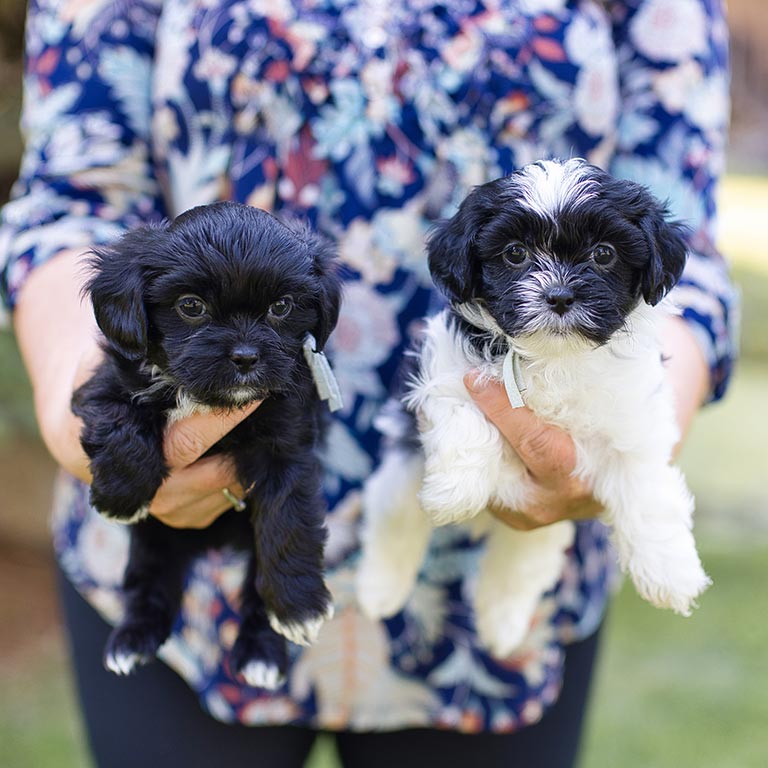
We never place a dog based on breed reputation alone. Every Familiar in our program moves through the same evaluation process regardless of pedigree, because a title on paper does not guarantee the right Familiar Bond for your child. Our team observes temperament from the earliest days of the sacred imprint window, tracks how each puppy responds to Together-Alone work, and only begins matching once we understand a puppy’s real, individual nature.
This is also why we encourage families to stay open-minded about breed going into the process. Down syndrome service dog breeds are a strong starting point for your search, but the dog that ends up changing your family’s daily life will be chosen for who it is, not just what it is.
It is also worth understanding what Habibi Bears is not. We are not a service dog organization with a multi-year waitlist and a price tag that can run tens of thousands of dollars for a fully trained, finished dog. Families who go that route are almost always adults, and by the time that dog arrives, the imprint window has already closed. That window does not come back. Habibi families never miss it, because the bond begins before your Familiar ever comes home, and we have already been building it with them since day one.
Frequently Asked Questions
Which breeds work best?
Golden Retrievers, Labrador Retrievers, and well-tempered Poodle mixes are generally considered the best service dog breeds for Down syndrome due to their cooperative, people-focused nature.
What temperament traits matter?
Low reactivity, natural patience, steady affection, and resilience under gentle guidance matter more than breed alone when choosing a service dog.
Are Labs or Goldens better?
Neither is universally better. Goldens often lean more affectionate, while Labs are often more food motivated, but individual temperament matters most.
Can small dogs qualify?
Yes. Small dogs can qualify for alert-based and co-regulation roles, though they are less suited to physical bracing or guiding tasks.
Are low-allergen breeds available?
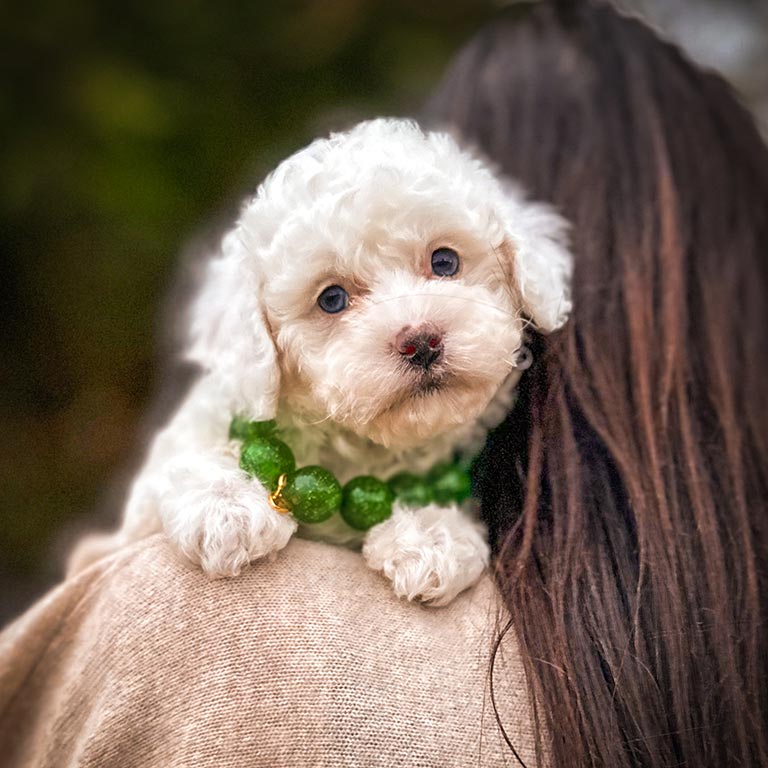
Yes. Poodle-mix lines combine reduced-shedding coats with the temperament traits needed for this work, though no breed is truly hypoallergenic, according to the American Kennel Club.