



The Magic of Enrichment
The Ultimate Toy Guide for Puppies(& Dogs).
I reach into my freezer for a stuffed meal inside a Pupcicle, Lickmat, or Toppl and my dogs’ mouths begin to water! Whether we’re at home in Seattle, Spokane, Portland, Los Angeles, or Phoenix, this is a lifesaver for me. A good, challenging stuffed toy can buy up to an hour of mental stimulation for our dogs while I am on a Zoom call, leaving them replete, content, and now downshifted into rest mode. SCORE.
Or, a young pup in Tacoma, Eugene, Boise, Bellevue, or Scottsdale is in full-on zoomy mode—a bitey shark that is out of control. The novice puppy parent may think this is an energetic or hyper pup, believing they need more activity, but OUCH, every time they touch them they are biting hands, barking louder and louder…yikes! While this sounds like a stressful moment, stick with me. I’m going to provide you with some tools to help your pup (and you) find some calm from the chaos.
This pup is one that is ‘over threshold’, and they don’t need more activity—they need less. Think toddler meltdown. Handing that pup an appropriate prepared stuffed food toy will give them something to focus on and help them down-regulate, shifting from play to rest mode (more on how this works below—think Goldilocks).
You see, dogs are natural explorers, problem-solvers, and hunters. Play & Enrichment. taps into these instincts, turning everyday moments into opportunities for learning, bonding, and even stress relief. But there’s an art to play. Teaching your puppy how to play, what to play with, and when to engage ensures a lifetime of safe, meaningful interactions. Let’s explore the finer points of toy selection, chewing habits, and the power of play in puppy development.
5 Essentials for Smart Toy Use & Play
1. The Right Toy for the Right Job
Not all toys serve the same purpose. A plush stuffed animal may be adorable, but it’s not the best choice for crate training. That job belongs to a food-stuffed rubber toy, designed to provide comfort and a satisfying chewing experience. Similarly, a tiny stuffed toy is not ideal for tug—opt for a longer rope toy that allows a safe grip, keeping your hands clear of excited puppy teeth.
Using the right toy for the right task ensures safety, enhances training effectiveness, and strengthens your bond through purposeful play—whether your home is in Bellevue, Spokane Valley, Portland, Los Angeles, or Scottsdale.
2. Variety Keeps Play Engaging
Let’s be honest—collecting dog toys can become an addiction (a fun one, at least!). A well-rounded selection of toys keeps playtime fresh and exciting. Rotate them regularly to maintain novelty and keep your pup engaged. Over time, you’ll discover their favorites, allowing you to tailor play to their preferences, whether your pup is in Seattle, Tacoma, Eugene, Boise, or Phoenix.
3. Understanding Your Puppy’s Preferences
Before you stockpile every cute toy in sight, take time to observe what your puppy actually enjoys. Some pups live for a game of fetch, while others prefer a good tug session. Not all dogs find the same toys reinforcing, so let your puppy be the guide and build your toy collection accordingly—whether your playtime happens in Spokane, Portland, Bellevue, Los Angeles, or Scottsdale.
4. Smart Storage for Longevity
Leaving toys scattered around not only creates clutter but diminishes their value to your puppy. Keep play toys stored in a designated area—a basket, trunk, or drawer. This simple habit keeps toys exciting and prevents unnecessary wear and tear. Safe storage also helps establish a structured routine where play is intentional and engaging.
5. Prioritizing Safety
Toy safety is non-negotiable. Regularly inspect toys for loose parts or signs of wear. Discard chews that have been gnawed down to small pieces to prevent choking hazards. When offering a high-value chew, supervise your pup to ensure safe enjoyment. For crate time, opt for sturdy, food-stuffable toys with proper ventilation holes to prevent suction risks—whether your pup lives in Seattle, Spokane, Portland, Los Angeles, or Scottsdale.
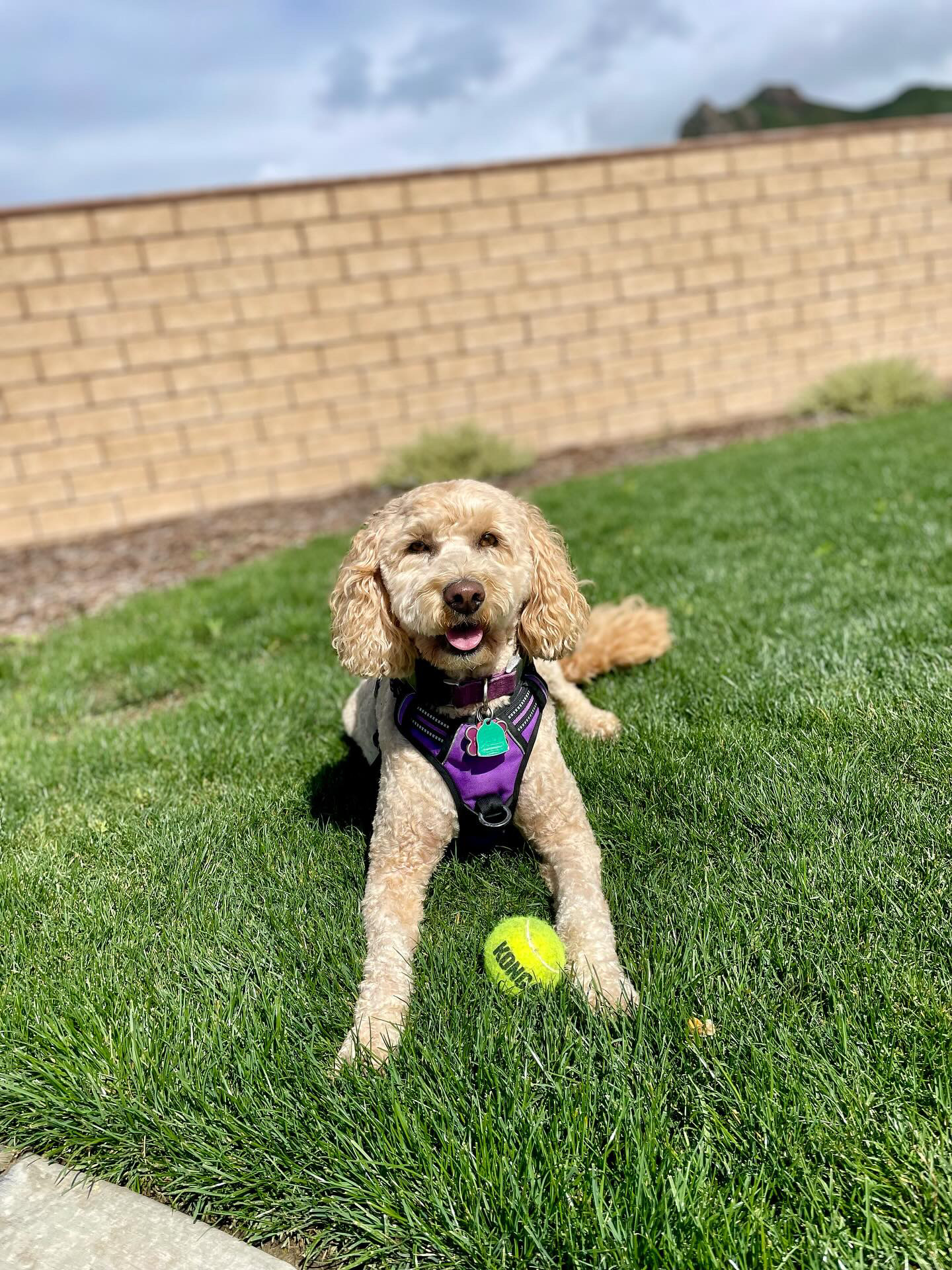
A Toy’s Purpose: More Than Just Entertainment
Toys are more than distractions—they’re essential tools in puppy development. Here’s how they contribute to a well-rounded training and bonding experience:
Enrichment & Problem-Solving: Food-stuffed toys and puzzles satisfy a dog’s natural urge to forage and problem-solve.
Bonding & Relationship Building: Holding a chew while your puppy gnaws can foster trust and prevent resource guarding.
Training & Confidence Boosting: Games like tug, fetch, and hide-and-seek sharpen skills and reinforce positive behaviors.
Emotional Regulation: Chewing provides stress relief, making toys a valuable tool in self-soothing strategies.
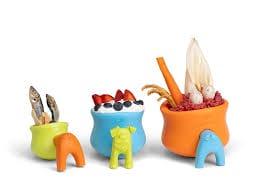
West Paw Toppl, stuffed and frozen
Choosing the Right Toys
1. Toys for Chasing & Fetch
Balls and discs are great for retrieval games, but be mindful of size. Small balls can pose choking hazards for larger dogs.
Soft rubber balls with a bit of give are ideal for puppies.
Avoid tennis balls—the abrasive material can wear down teeth.
2. Tug Toys
Opt for fleece ropes, rubber rings, or long, plush unstuffed toys.
Ensure the toy is long enough to provide a safe grip and prevent accidental bites.
3. Stuffed Animals
Cute and cozy, these toys are great for indoor play but should be used under supervision.
Many puppies enjoy carrying them around, but some may rip them apart and ingest stuffing—monitor accordingly.
4. Food-Stuffable Toys & Puzzle Feeders
A must-have for crate training and mental enrichment.
Foraging toys encourage problem-solving and satisfy natural instincts.
Consider using daily meals in puzzle feeders rather than a bowl. West Paw Toppl & Kongs
5. Squeaky Toys
High-pitched squeaks can capture your pup’s attention and boost engagement.
Useful for training cues like recall or redirecting focus.
Supervise use to prevent overexcitement or destruction.
6. Chews
Opt for biologically appropriate options like hooves, bully sticks, marrow bones, or yak cheese sticks.
Avoid synthetic materials like nylon, which can break into sharp fragments.
Introduce new chews gradually to gauge your pup’s interest and digestion.
7. Chew Grippers
Rubber holders designed to secure chews add an extra layer of safety.
They help prevent choking and make it easier for your puppy to hold their chew.
Video on how to stuff your toys for your puppy. I recommend gathering up a weeks worth and freezing them, meal prep for puppies!
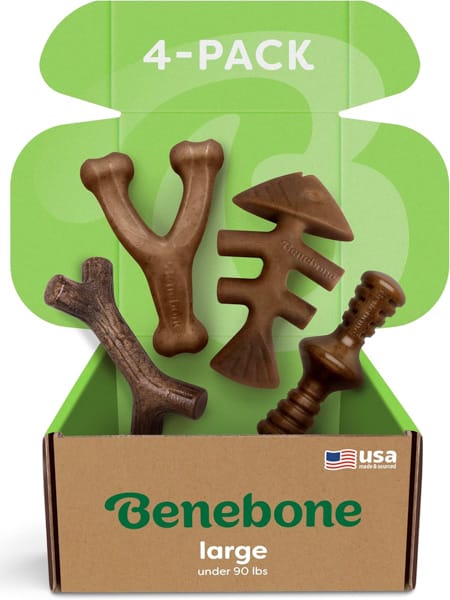
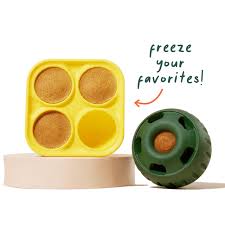
Benebones are a safe and excellent option for one of your items on toy rotation in the Galaxy program. The Pupcicle is a favorite for us, we freeze weeks worth of raw and give one to the puppies in Charm School. They love it!
(Remember, in order to get the pup to engage with a new toy, you need to introduce it to them properly. Don’t expect them to play and chew if you simply toss it on the floor. Play with them, engage, and try some tug to show the pup that it’s FUN and how to engage with it. )
Introducing Chews: A Gradual Process
If your puppy seems unsure about a new chew or flat out shows disinterest, try holding it for them initially. Smearing a bit of goat cheese or peanut butter on the surface can encourage exploration. Over time, they’ll develop a preference for certain textures and flavors.
Chews aren’t just for entertainment—they play a vital role in crate training, dental health, and relaxation. Partnering with a knowledgeable pet supply store can help you select the best options for your puppy’s needs.
Toy Stuffing Tips: The Goldilocks Rule
When stuffing food toys, aim for the perfect balance:
Too easy → The dog finishes too quickly, losing engagement.
Too difficult → The dog gives up in frustration.
Just right → The dog stays engaged, working to extract their reward.
Experiment with different textures and freezing options to extend playtime. Some favorite stuffing ingredients include chicken, pumpkin, yogurt, berries, and cheese. Browse Kong’s recipe section or search online for creative stuffing ideas.
The Power of Play: Training Through Games
Your Role:
Stay engaged and make play interactive.
End the game while your puppy is still interested to keep anticipation high.
Store toys after playtime to reinforce structured engagement.
Your Puppy’s Role:
Learn the “Give” cue for structured toy exchanges.
Understand that play stops if they nip too hard.
Recognize that disengaging means the game is over.
DIY Puzzle Toys on a Budget
Cardboard tubes & Discovery Boxes: Fill with kibble, fold the ends, and punch holes for a foraging challenge. Great use for all those Amazon delivery boxes! layer treats and toys inside the box with the paper stuffing. Let them forage.
Egg cartons: Hide treats in the compartments for a fun sniffing game.
Muffin tin & balls: Drop treats in a tin and cover with tennis balls for an interactive puzzle.
Towel treat hideaway: Scatter treats in towel folds to encourage sniffing and searching.
Final Thoughts:
Enrichment Is Key
Toys aren’t just entertainment—they’re an essential part of your puppy’s development. By choosing wisely, engaging mindfully, and making playtime intentional, you’re setting the foundation for a confident, happy, and well-adjusted dog.
Over to you—what’s your pup’s favorite toy? Have any creative stuffing recipes or DIY toy hacks to share?