

When families begin searching for the best service dog breeds for autism, the question that comes up most often is which breed is the right one. he honest answer is that breed is only one piece of a much larger picture, whether families are beginning their search in Seattle, Spokane, Portland, Boise, Los Angeles, or Phoenix.
At Habibi Bears, we have guided many families through this decision, and what we have learned over years of purposeful breeding is this: the dog’s nervous system, temperament, and the foundation built during the imprint window matter far more than breed alone. That said, certain breeds do carry natural advantages, and knowing what they are gives families a meaningful head start.
What Traits Matter Most in an Autism Service Dog?
Before looking at specific service dog breeds, it helps to understand what qualities to prioritize. These are the traits that determine whether a dog can do this work well, regardless of its name.
Nervous System Stability
A dog that startles easily, reacts to loud sounds, or becomes overwhelmed in busy environments is not built for this role. An autism service dog needs a nervous system that is naturally calm and resilient, one that can regulate its own emotional state even when the environment around it is unpredictable. This is not just about training. It is about the dog’s foundational wiring, which is shaped most powerfully during the imprint window in the earliest weeks of life.
Attunement to Human Emotion
The best service dog breeds for autism are not just obedient dogs. They are attuned. They notice shifts in their child’s emotional state before those shifts become visible to anyone else in the room. This capacity for reading Sacred Signals, the subtle cues a child’s body and behavior offer, is one of the most valuable qualities a Familiar can possess, and it is one that develops through intentional early bonding, not task repetition.
Gentle and Predictable Temperament
Children on the autism spectrum often thrive on consistency and predictability. A dog with a stable, even temperament, one that does not swing between high energy and shutdown, gives a child a reliable emotional anchor. Gentleness is equally important, especially for children who may be sensitive to touch, sound, or sudden movement.
Trainability and Willingness to Engage
A service dog needs to be able to learn and retain the specific tasks that support their child. High trainability matters, but so does a dog’s genuine desire to engage with people. A dog that works only for food rewards but disengages the moment the treat disappears is not the same as a dog that is intrinsically motivated by connection and relationship.
Size and Physical Suitability
For children who benefit from deep pressure therapy, a dog with enough physical presence to provide grounding body contact matters. For families in smaller homes or with children who are easily overwhelmed by large animals, a mid-sized dog may be a better fit. There is no universal right answer here, and it is worth thinking honestly about your child’s specific sensory profile.
The Best Service Dog Breeds for Autism
With those traits in mind, here are the breeds most consistently recognized for their suitability in autism support roles.
Labrador Retriever
The Labrador Retriever is one of the most widely used service dog breeds in the world, and for good reason. Labs are naturally gentle, highly trainable, and deeply people-oriented. They tend to have stable nervous systems and adapt well to a wide range of environments and family dynamics. Their size makes them well-suited for deep pressure therapy, and their even temperament means they are rarely rattled by the unpredictability that can come with a neurodivergent household.
Labs come in three colors, black, yellow, and chocolate, and while color does not determine temperament, dogs bred specifically for service work tend to share consistent traits regardless of coat. If you are considering a Labrador, look for lines bred for temperament and health rather than show or sport, as working lines often carry the calmness and focus that support work requires.
Golden Retriever
The Golden Retriever is often mentioned alongside the Labrador in service dog breeds, and the comparison is fair. Goldens share many of the same strengths: high trainability, a loving and patient disposition, and a natural affinity for human connection. Goldens often stand out for their emotional sensitivity. They tend to be especially attuned to the people around them, which can make them exceptional partners for children who need a dog that genuinely reads the room.
Goldens are also forgiving dogs, meaning they handle the learning curve of owner-training with grace and without shutting down when mistakes are made. For families pursuing the ADA self-training path, that quality matters enormously.
Golden Retriever vs Labrador Retriever: Which Is the Better Service Dog Breed for Autism?
This is one of the most common questions families ask, and the truthful answer is that neither breed is universally better. Both are excellent candidates for autism service work. The difference tends to come down to individual dogs and the child’s specific needs.
Goldens tend to be slightly more emotionally sensitive and may be a better match for children who need deep attunement and a dog that mirrors emotional states. Labs tend to be slightly more resilient and adaptable, which can be an advantage in high-stimulation environments or households with a lot of activity. In both cases, the individual dog’s breeding, early upbringing, and imprinting window will ultimately matter more than the breed name alone.
Poodle
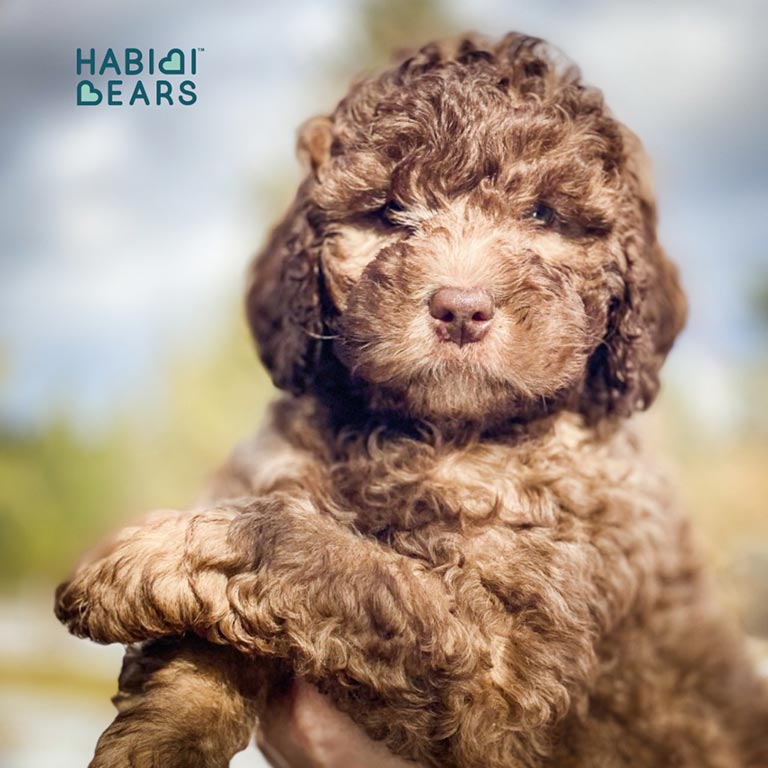
The Poodle deserves far more recognition in conversations about autism service dog breeds than it typically receives. Standard Poodles are among the most intelligent dog breeds, highly trainable, deeply bonded to their families, and emotionally perceptive in ways that make them natural partners for sensitive children.
What sets Poodles apart for many families is their low-shedding, hypoallergenic coat, which makes them an accessible option for children with allergies or sensory sensitivities to pet dander. Their size is also ideal for deep pressure therapy work, and their natural elegance means they tend to move through public spaces with a calm, unobtrusive presence.
Goldendoodle and Labradoodle
Doodle breeds, particularly those with consistent, well-bred temperaments, have become increasingly popular in autism support roles, and the reasons are understandable. They often combine the trainability and temperament of Poodles and Retrievers with a low-shedding coat that suits families managing sensory or allergy concerns.
The important caveat with doodle breeds is consistency. Because they are hybrid dogs, temperament and coat type can vary significantly between individual puppies even within the same litter. Families considering a doodle for support work should look carefully at the breeder’s approach to temperament selection, health testing, and early developmental work. A doodle raised with intentional nervous system foundations during the imprint window can be an extraordinary Familiar. A doodle bred without that intention is simply a beautiful dog.
Bernese Mountain Dog
The Bernese Mountain Dog is a gentle giant increasingly recognized for its suitability for autism support roles. Berners are calm, affectionate, and naturally attuned to the emotional states of the people around them. Their size makes them particularly well-suited for grounding work and deep pressure therapy, and their patient, steady temperament gives neurodivergent children a reliable, non-reactive presence to anchor to.
Berners do require thoughtful health testing given their known predispositions to certain conditions, so choosing a breeder who prioritizes health and longevity is especially important with this breed.
Cavalier King Charles Spaniel
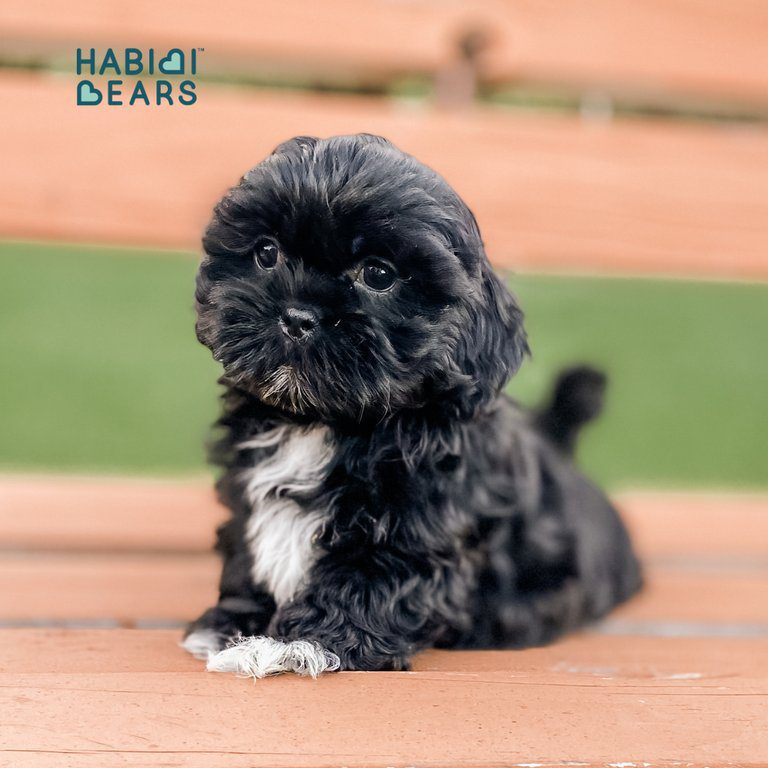
For families who need a smaller dog, whether due to living space, a child’s sensory profile, or a preference for a less physically imposing animal, the Cavalier King Charles Spaniel is one of the strongest options available for service dog breeds. Cavaliers are exceptionally gentle, deeply bonded to their people, and naturally calm in a way that many small breeds are not.
They are not as commonly seen in formal service dog roles because of their size, but for emotional regulation support, co-regulation at home, and building the Familiar Bond with a child, their temperament is genuinely outstanding. They also travel easily, which matters for families who need their dog present in a variety of settings.
The Breed That Was Created for This Work
Every breed on this list found its way into support roles because its natural traits happened to align with what families needed. Herding dogs were bred to herd. Gun dogs were bred to retrieve. Retrievers ended up on sofas across the world, and nobody questions it, because when a breed is created with intention and devotion, that quality comes home with them regardless of what their family looks like.
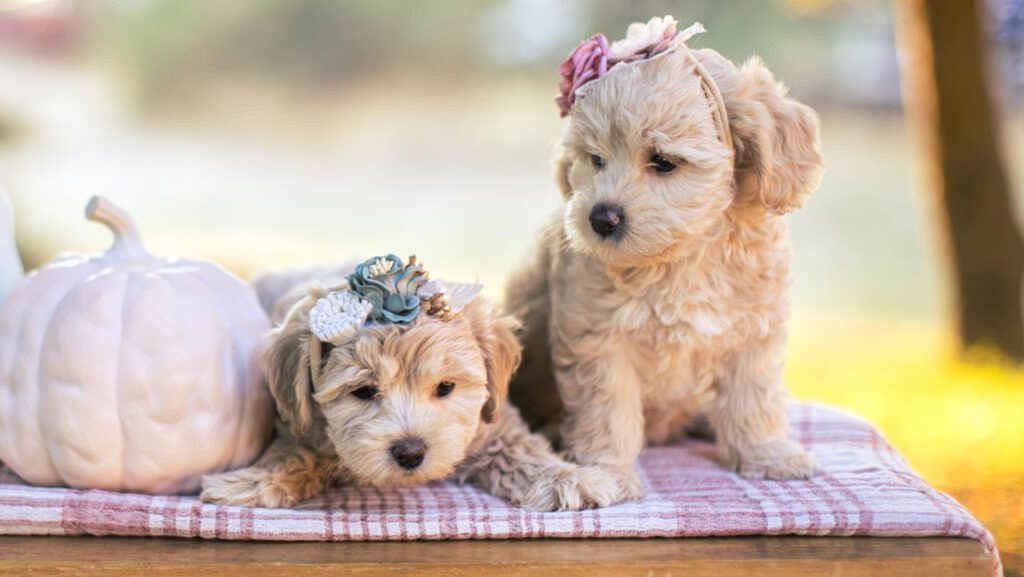
The Habibi dog was created for the Familiar Bond.
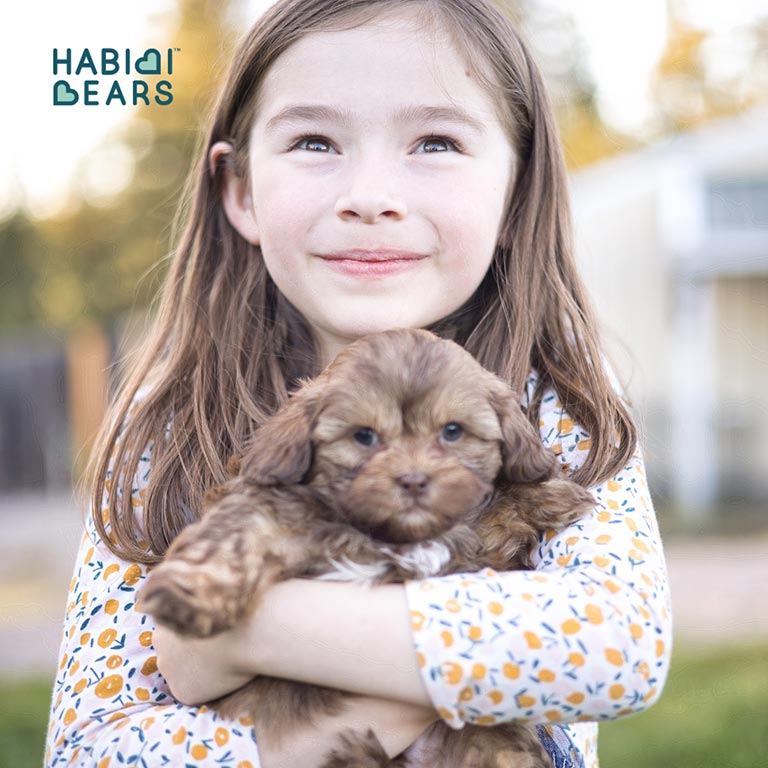
Specifically, for the children who experience the world at a frequency the mainstream has not yet learned to honor. For the families who have spent years in waiting rooms, assessment centers, and programs designed to fix something that was never broken. For the humans, with or without children, who have always known that a dog could be something more than the world was offering them.
That is the job the Habibi was bred for. And just like the herding dog who became the world’s most beloved family companion, the Habibi brings every ounce of that intentional, devoted, nervous-system-first development into every home it enters.
You do not have to have a neurodivergent child to belong here. You just have to be the kind of human who feels the difference.
Why the Service Dog Breed Is Only the Beginning
Every breed on this list carries natural advantages. But the most important thing we can tell families at Habibi Bears is that a well-bred dog of any of these breeds, raised without intention during the imprint window, will always underperform a dog of any breed raised with the Familiar Bond in mind from day one.
The nervous system foundations, the Sacred Signals attunement, the Together-Alone work, and the Familiar Activation Protocols that we build into every Habibi during those earliest weeks are what transform a promising puppy into a true Familiar. By the time your Habibi comes home, the bond has already begun. The breed gave us the raw material. The imprint window is where we shaped it into something your family can build a life around.
If you are ready to learn more about how we select, raise, and prepare our Familiars, or if you have questions about whether a Habibi is the right fit for your child, we would love to connect. Reach out anytime, and we will walk alongside you from the very first conversation.
Frequently Asked Questions about Service Dog Breeds
What is the best service dog breed for autism?
There is no single best breed, but Labrador Retrievers, Golden Retrievers, Standard Poodles, and Goldendoodles are consistently among the strongest choices. The individual dog’s temperament, nervous system stability, and early developmental experience matter more than the breed name alone.
Are Labradors or Golden Retrievers better for autism service work?
Both are excellent. Goldens tend to be slightly more emotionally sensitive and attuned, while Labs tend to be slightly more adaptable in high-stimulation environments. The right choice depends on the individual child’s needs and the specific dog’s temperament.
Can small dogs be autism service dogs?
Yes. The ADA places no size requirements on service dogs. Smaller breeds like the Cavalier King Charles Spaniel can be highly effective for emotional regulation and co-regulation work, though deep pressure therapy is better suited to larger dogs.
What traits matter most in an autism service dog breeds?
Nervous system stability, emotional attunement, a gentle and predictable temperament, strong trainability, and physical suitability for the tasks the child needs are the most important qualities to look for.
Are hypoallergenic service dogs an option for autism families?
Yes. Standard Poodles, Goldendoodles, and Labradoodles offer low-shedding coats combined with temperaments suited for support work, making them strong options for families managing allergies or sensory concerns.
Why does early raising matter more than breed for autism service dogs?
The imprint window, the earliest weeks of a puppy’s life, is when the nervous system is most open to shaping. A dog raised with intentional attunement, nervous system awareness, and Familiar Bond foundations during this period will always outperform a dog of any breed that missed that window, regardless of how much training comes later.
Areas We Serve
Habibi Bears proudly serves families throughout Washington, Oregon, Idaho, California, Montana, and Arizona. We regularly work with families in Seattle, Spokane, Tacoma, Bellevue, Portland, Salem, Eugene, Bend, Boise, Meridian, Coeur d’Alene, Los Angeles, San Diego, San Francisco, Phoenix, Scottsdale, Tucson, Billings, Missoula, Bozeman, and surrounding communities.
Whether you are researching the best service dog breeds for autism, comparing temperament traits, or learning what qualities make a dog successful in a support role, we are dedicated to helping families make informed decisions. Our goal is to provide education, guidance, and resources that help families find a companion whose temperament, emotional resilience, and natural connection align with their child’s unique needs.