



Here at Habibi Bears, we are absolutely bonkers for dogs! They’re not just pets to us, they’re our furry, four-legged angels. Our passion drives us to help you see and understand your Habibi Bear puppy for exactly the precious being they are. One way we do that is by reframing everyday puppy challenges — like puppy barking — and assigning them new meaning to shift awareness, strengthen connection, and truly reduce the stress involved.
Reframing Barking to seeing it as a Method of Communication
One challenge many puppy families face is barking. For some, barking is something to suppress or fix. At Habibi Bears, we invite you instead to view barking as a form of communication between two very different species: canine and human. Think of it like this: when your puppy barks, they’re saying, “Teacher, teacher — look at me!”
Common Reasons Puppies Bark & What They’re Really Saying

1. Barking for Attention
This is one of the most frequent reasons our Habibi Bear puppies bark during the day. Before they’ve learned more nuanced ways to communicate, their first instinct is to bark to get your notice.
What we do: We teach and reward quieter behavior. When one puppy sits calmly and gets a treat, others watching quickly learn: quietness works.
What to avoid:
Picking them up immediately when they bark
Offering treats as soon as they begin barking
Overstimulating them with baby-talk or high-pitched voices
These responses often unintentionally reinforce the barking.
2. Barking out of Boredom
Dogs are highly social and intelligent. If left without mental enrichment or physical activity, their minds seek engagement—and barking becomes their monologue of frustration.
Solutions:
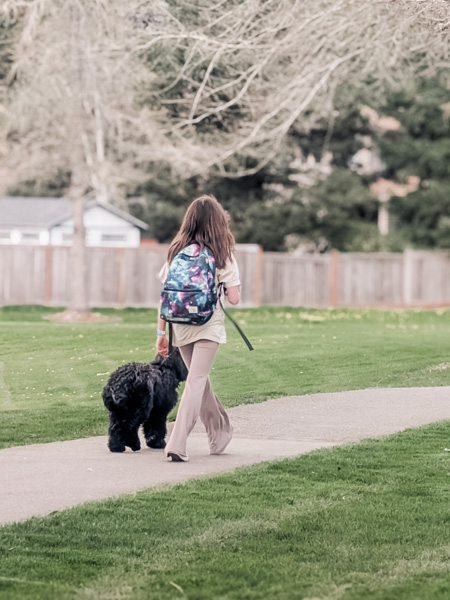
Take your puppy on walks first, then give puzzle toys or chew toys when leaving them alone
Ensure they have engaging, interactive toys
Rotate toys so nothing plays out
3. Barking as a Warning / Alert
Sometimes barking is useful. Puppies may bark to warn you of danger or something unusual. This is part of their protective nature and can be very valuable.
Example: Some puppies have alerted their families to gas leaks or intruders simply by barking.
What we do: Reinforce calm observation behavior and then teach what warning barks mean, so your puppy still feels heard and you stay safe.

Putting it into practice
at home:
Observe when your puppy barks. What is happening right before and after?
Keep a simple log of “bark triggers” (attention, boredom, alert) to notice patterns.
Redirect barking: teach alternative behaviors (sit, chew, fetch) to replace the urge.
Be consistent. Everyone in the home needs to respond similarly to avoid confusing the puppy.
Dogs bark, its how they communicate.
closing thoughts
Puppy barking is not “bad behavior”—it’s communication. When we reframe barking in this way, what once felt stressful becomes an opportunity to connect more deeply with our pups. Understanding what your puppy is trying to tell you brings peace, stronger relationships, and fewer misunderstandings.
If you’d like help navigating puppy behavior or want to explore our bonding and training programs, reach out to the Habibi Bears team today!

FAQ About Puppy Barking
Q: Why do puppies bark so much?
A: Puppies bark for many reasons — attention, boredom, fear, or as a warning. Barking is their way of communicating, especially before they learn calmer ways to express themselves.
Q: How do I stop my puppy from barking for attention?
A: Avoid rewarding barking with treats, cuddles, or high-energy reactions. Instead, reward quiet behavior. Show your puppy that calm sitting or waiting gets your attention faster than barking does.
Q: Is it normal for puppies to bark when left alone?
A: Yes, many puppies bark out of boredom or separation distress. To reduce barking, walk your puppy before leaving, provide puzzle toys or chews, and create a safe, comfortable space where they feel secure.
Q: Should I ignore my puppy when they bark?
A: Sometimes, yes. If barking is for attention, ignoring it can help teach that barking doesn’t get results. However, if barking is due to fear or a genuine alert, it’s important to address the underlying need rather than dismiss it.
Join the Habibi Tribe
Through our thoughtful evaluation process, we create matches that change lives. Whether you’re seeking a loyal family companion or a life-saving service dog, the Habibi Method ensures every puppy finds their perfect home.
Ready to Find Your Perfect Match?